
Car Brake Shoe Inspection & Replacement in Daytona Beach, FL
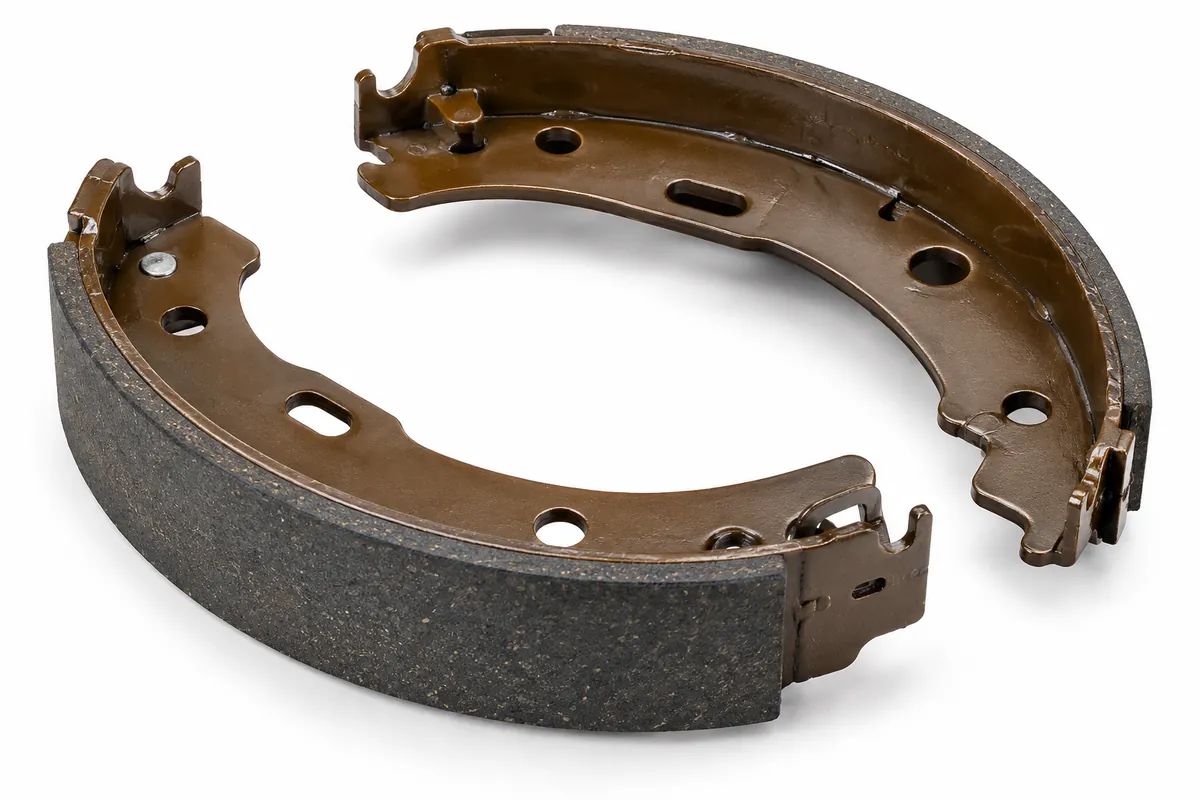
Brake shoes are friction components commonly used inside rear drum brakes and in some parking brake systems. Each time the brakes are applied, the shoes move outward against the inside surface of the brake drum to create the friction needed to slow the wheel. As the friction material wears, braking performance, adjustment, and parking brake operation can be affected.
Jimmy’s Mobile Care provides car brake shoe inspection and replacement in Daytona Beach, FL, at your location. We inspect shoe thickness and condition, drum surfaces, wheel cylinders, springs, adjusters, and related hardware before determining what needs to be replaced.
Mobile Brake Shoe Inspection in Daytona Beach
Unlike disc brake pads, brake shoes are normally enclosed by a brake drum. A meaningful inspection therefore requires access to the internal brake assembly.
Once accessible, the shoes can be examined for remaining friction material, wear patterns, cracking, glazing, contamination, and other deterioration.
We also inspect the components that apply, retract, and adjust the shoes because a worn brake shoe isn't always simply the result of normal mileage.
Checking Brake Shoe Friction Material
Brake shoes have friction material attached to a curved metal shoe. That material gradually wears as it contacts the inside of the brake drum.
During inspection, we evaluate how much usable friction material remains and whether its condition is suitable for continued service.
Brake shoe life varies considerably. Vehicle design, braking distribution, driving conditions, adjustment, parking-brake operation, drum condition, and hydraulic problems can all affect wear.
We base the recommendation on the condition of the brake assembly rather than replacing shoes solely because the vehicle has reached a particular mileage.
Comparing Brake Shoe Wear
The shoes within a drum brake assembly do not necessarily perform identical jobs.
Depending on the brake design, the leading and trailing shoes—or primary and secondary shoes—may experience different forces and may not wear at exactly the same rate.
What matters is whether the wear is appropriate for that particular brake design.
We compare the shoes and inspect for excessive differences, irregular contact patterns, or evidence that a shoe isn't moving correctly.
Signs Your Car May Need Brake Shoes
Brake shoe problems can develop gradually, and because the components are enclosed inside the drum, you may not be able to visually see the wear.
Reasons to have the rear drum brakes or brake shoes inspected can include:
- Grinding or scraping from the rear brakes
- Squealing or other brake noise
- Reduced braking performance
- A parking brake that doesn't hold properly
- Excessive parking-brake pedal or lever travel
- Brake grabbing or locking
- Unusual brake pedal feel
- Brake fluid around the rear brake assembly
- Rear brakes that aren't operating evenly
- A vehicle that has accumulated substantial mileage since its last drum-brake inspection
Symptoms alone don't prove the shoes require replacement. Drum brakes contain several mechanical and hydraulic components capable of producing similar complaints, so the assembly should be inspected before parts are selected.
Brake Shoe Wear Patterns
The way a brake shoe wears can tell us a great deal about how the drum brake has been operating.
We look for conditions such as:
- Excessive friction-material wear
- Uneven wear across the shoe
- One shoe wearing substantially differently from another
- Glazing
- Cracking
- Chipped or damaged friction material
- Contamination
- Abnormal contact with the drum
If the wear isn't consistent with normal operation, we inspect further before installing replacement shoes.
A new set of brake shoes won't correct a leaking wheel cylinder, seized adjuster, damaged spring, or another mechanical problem that caused the old shoes to wear improperly.
Contaminated Brake Shoes
Brake shoe friction material needs to remain clean and dry to operate properly.
One important source of contamination in a drum brake is a leaking wheel cylinder. Brake fluid can spread across the internal brake components and contaminate the shoe friction material.
Other fluids can sometimes enter the brake assembly from nearby component failures.
When we find wet or contaminated brake shoes, we don't simply install new shoes. We first identify the source of the contamination.
Replacing contaminated shoes without correcting the leak would allow the replacement parts to become contaminated as well.
Cracked, Glazed, or Damaged Brake Shoes
Brake shoe thickness isn't the only consideration.
Excessive heat can change the condition of the friction surface and contribute to glazing. Friction material can also crack, chip, separate, or suffer other physical damage.
During inspection, we evaluate both the amount and condition of the friction material.
A shoe can require replacement even when some material remains if that material is no longer in suitable condition for continued braking service.
Brake Drum Inspection During Brake Shoe Service
Brake shoes operate against the inside diameter of the brake drum, making drum condition an essential part of brake shoe service.
After the drum is removed, we inspect its internal braking surface for conditions such as:
- Deep scoring or grooves
- Excessive wear
- Heat damage
- Cracking
- Heavy rust or corrosion
- An irregular braking surface
- Damage caused by severely worn brake shoes
A new set of shoes needs an appropriate braking surface.
Installing replacement brake shoes inside a severely damaged or excessively worn drum can affect shoe contact, braking performance, noise, and service life.
Brake Drum Diameter
Brake drums have dimensional limits just as brake rotors have thickness limits.
As the internal braking surface wears, the inside diameter increases. When measurement is necessary, drum diameter can be checked and compared with the applicable specification.
A drum that has exceeded its allowable service dimension should not simply be reused because it still looks intact.
Wheel Cylinder Inspection
The wheel cylinder converts hydraulic brake pressure into mechanical movement of the brake shoes.
When the brake pedal is applied, hydraulic pressure moves pistons in the wheel cylinder, which push the shoes outward toward the drum.
Because of that direct relationship, wheel-cylinder condition is important during brake shoe inspection.
We look for evidence of:
- Brake-fluid leakage
- Wetness around the cylinder boots
- Corrosion
- Restricted piston movement
- Physical damage
- Contamination of nearby brake shoes
A leaking wheel cylinder can ruin otherwise usable brake shoes by saturating the friction material with brake fluid.
If leakage is found, the hydraulic problem needs to be corrected as part of the brake repair.
Brake Shoe Springs and Return Hardware
Drum brakes rely on springs and hardware to control shoe movement.
After the driver releases the brake pedal, return springs help pull the shoes away from the drum. Other springs, pins, clips, and retainers keep the shoes positioned correctly.
These components operate in a harsh environment and experience repeated heat cycles and mechanical movement.
During brake shoe service, we inspect the applicable hardware for deterioration, corrosion, damage, improper installation, or loss of proper function.
Weak or damaged hardware can contribute to noise, poor shoe positioning, dragging brakes, or abnormal wear.
Brake Shoe Adjuster Inspection
As brake shoes wear, the distance between the friction material and drum changes. Drum brake systems use an adjustment mechanism to maintain appropriate shoe position.
Many designs incorporate a self-adjusting mechanism that compensates for normal wear.
A seized, corroded, damaged, or improperly assembled adjuster can interfere with normal brake operation.
Depending on the failure, the shoes may remain too far from the drum or may not release as intended.
During brake shoe replacement, we inspect the adjuster and make sure the relevant components can operate correctly rather than installing new shoes around seized hardware.
Parking Brake Operation and Brake Shoes
Many rear drum brake systems use the same shoes for both normal hydraulic braking and mechanical parking-brake operation.
When the parking brake is applied, cables and levers mechanically move the brake shoes against the drum rather than relying on hydraulic pressure.
A parking brake that doesn't hold can therefore involve several possible causes, including:
- Worn brake shoes
- Incorrect shoe adjustment
- Restricted or damaged parking-brake cables
- Problems with the parking-brake lever mechanism
- Seized or damaged drum-brake hardware
- Excessive drum wear
We inspect the system before assuming that poor parking-brake performance means the shoes alone need replacement.
Parking Brake Shoes Inside Rear Disc Rotors
Not every brake shoe is part of a conventional rear drum brake.
Some vehicles use rear disc brakes for normal service braking but have a smaller set of parking brake shoes inside the center section of the rear rotor.
This arrangement is sometimes called a drum-in-hat parking brake.
These shoes normally operate only when the parking brake is applied rather than every time the brake pedal is pressed.
If the parking brake doesn't hold, drags, or develops an internal problem, these shoes and their hardware may require inspection.
Because this system differs from a conventional rear drum brake, we identify the vehicle's brake design before determining what needs service.
Rear Brake Shoe Inspection & Replacement
Brake shoes on modern passenger vehicles are most commonly found on the rear axle.
When inspecting rear drum brakes, we don't look only at one visible shoe. The drum is removed as appropriate so the internal assembly can be evaluated.
We inspect the shoes on both sides of the axle as necessary and consider the condition of the drums, wheel cylinders, adjusters, springs, and parking-brake components.
If brake shoe replacement is necessary, shoes on the same axle are generally serviced as sets rather than replacing one isolated worn shoe.
This helps maintain comparable braking characteristics from side to side.
Brake Shoe Replacement
Once inspection confirms that the brake shoes require replacement, the drum brake assembly must be disassembled and reassembled correctly.
The exact configuration varies by vehicle, but brake shoe replacement can include:
- Removing the brake drum. The internal brake assembly is exposed for inspection.
- Inspecting the existing shoes. We examine remaining friction material and wear patterns before removing the old parts.
- Checking the brake drum. The internal braking surface is inspected for wear, scoring, heat damage, and other problems.
- Inspecting the wheel cylinder. We check for hydraulic leakage and other visible problems that could affect the new shoes.
- Inspecting springs, retainers, and adjusters. The hardware that controls shoe position and movement is evaluated.
- Removing the worn brake shoes. Springs and retaining hardware are removed using the appropriate procedure for the brake design.
- Installing the replacement shoes. The shoes and applicable hardware are positioned correctly within the brake assembly.
- Setting the brake shoe adjustment. The shoes must be properly positioned relative to the drum.
- Reinstalling the brake drum. The drum is installed after the internal assembly has been checked.
- Checking brake and parking-brake operation. The completed assembly is checked before the vehicle is returned to service.
Correct spring, adjuster, and shoe placement is especially important because drum brake assemblies contain multiple components that must work together mechanically.
Why Brake Shoe Adjustment Matters
Replacement brake shoes can't simply be installed and left wherever the hardware happens to position them.
The shoes need the correct relationship to the drum.
If the shoes sit too far away from the drum, excessive movement may be required before they contact the braking surface. This can affect pedal travel and brake operation.
If they are adjusted too tightly, the shoes can drag against the drum, creating heat and accelerated wear.
Proper initial adjustment also gives the self-adjusting mechanism an appropriate starting point for future operation.
Brake Shoes vs. Brake Pads
Brake shoes and brake pads are both friction components, but they work differently.
Brake pads are used in disc brake systems. A caliper squeezes the pads against the flat sides of a brake rotor.
Brake shoes are commonly used in drum brake systems. The curved shoes move outward against the inside of a brake drum.
A vehicle can have disc brakes with pads on the front and drum brakes with shoes on the rear. Some vehicles use disc brakes at all four wheels but still contain separate parking brake shoes at the rear.
Knowing which brake system the vehicle uses is necessary before determining which friction components require service.
Do Brake Shoes Need to Be Relined or Replaced?
For most modern passenger-vehicle applications we service, worn brake shoes are replaced with the appropriate replacement shoe assemblies rather than having the old friction material relined.
Brake shoe relining is a specialized process that may still be relevant for certain classic, commercial, industrial, or unusual applications, but it isn't the normal approach for routine brake shoe service on most modern cars.
If your vehicle has an unusual or older brake application, the correct parts and repair method should be determined for that specific vehicle.
How Much Does Brake Shoe Replacement Cost?
Brake shoe replacement cost varies because drum brake designs, parts, and labor requirements differ between vehicles.
Factors that can affect the repair price include:
- Vehicle year, make, and model
- Brake shoe design
- Brake drum condition
- Wheel cylinder condition
- Spring and hardware condition
- Adjuster condition
- Parking-brake components
- Whether the brake shoes have been contaminated
- Additional problems discovered after the drums are removed
A vehicle that needs only brake shoes is a different repair from one with worn drums, leaking wheel cylinders, seized adjusters, or damaged hardware.
Call Jimmy’s Mobile Care at (386) 308-2509 with your vehicle information, and we can discuss your brake shoe inspection and replacement needs.
Why Inspect the Entire Drum Brake Assembly?
Brake shoes depend on several other components to work correctly.
An inspection helps answer the questions that determine the proper repair.
Are the Brake Shoes Actually Worn?
We evaluate the amount and condition of the friction material instead of replacing shoes based only on mileage.
Are the Shoes Wearing Normally?
Unusual wear can indicate a mechanical or hydraulic problem elsewhere in the assembly.
Is the Wheel Cylinder Leaking?
Brake fluid can contaminate the friction material and require more than a simple shoe replacement.
Is the Brake Drum Suitable for Continued Service?
The shoes operate directly against the drum, so its surface condition and dimensions matter.
Are the Springs and Adjusters Working Correctly?
New shoes won't operate properly if the hardware responsible for positioning and retracting them is seized or damaged.
Is the Parking Brake Working Correctly?
On many vehicles, the parking brake depends directly on the rear brake shoes and associated hardware.
Looking at the complete assembly helps prevent us from replacing the shoes while overlooking the condition that caused the problem.
Mobile Brake Shoe Replacement in Daytona Beach
Jimmy’s Mobile Care brings brake shoe inspection and replacement directly to your Daytona Beach location.
If your vehicle has rear drum brakes, we can inspect the internal brake components at your home, workplace, or another suitable service location. When replacement is needed and the repair can be safely completed on-site, we can replace the brake shoes and address the applicable hardware without a traditional repair-shop visit.
Whether you're experiencing brake noise, poor parking-brake operation, worn rear shoes, or another drum-brake concern, we begin by determining the actual condition of the components.
Schedule Brake Shoe Inspection & Replacement in Daytona Beach
If you suspect worn brake shoes or you're having trouble with your rear drum brakes or parking brake, have the system inspected before replacing parts.
Jimmy’s Mobile Care can inspect the brake shoes, drums, wheel cylinders, adjusters, springs, and directly related components to determine what your vehicle needs.
Call Jimmy’s Mobile Care at (386) 308-2509 to schedule car brake shoe inspection and replacement in Daytona Beach, FL. Call today and we'll come to your location.