
Car AC Belt Inspection & Replacement in Daytona Beach, FL
The AC belt transfers engine power to the air-conditioning compressor on vehicles that use a dedicated compressor drive belt. If the belt becomes cracked, glazed, stretched, contaminated, loose, frayed, or damaged, the compressor may stop turning properly and the AC can lose cooling.
Some vehicles use a separate AC compressor belt, while others drive the compressor with the main serpentine belt. The correct belt layout needs to be identified before recommending replacement.
Jimmy’s Mobile Care provides car AC belt inspection and replacement in Daytona Beach, FL. We inspect the belt itself along with its routing, tension, pulley condition, and compressor drive before determining whether the AC belt actually needs replacement.
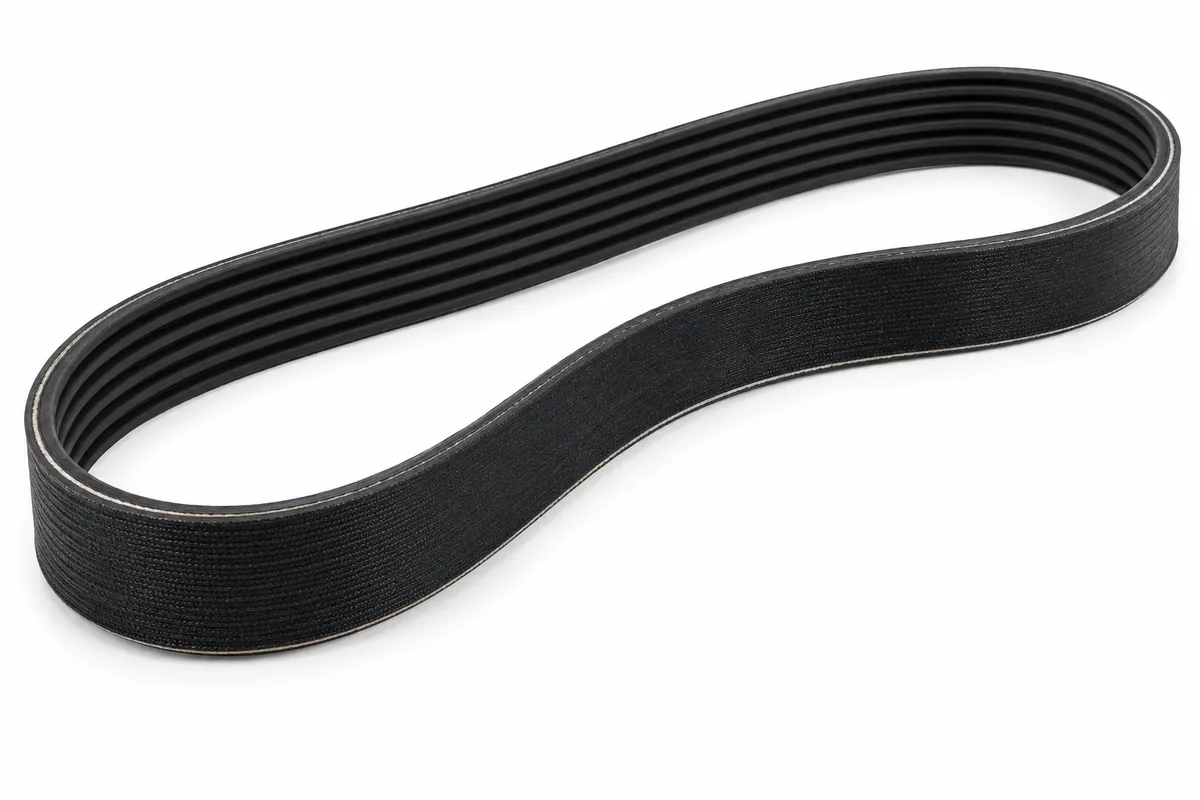
Mobile AC Belt Inspection in Daytona Beach
An AC belt inspection involves more than checking whether the belt is still physically present.
Depending on the vehicle, we inspect for:
- Cracking
- Fraying
- Glazing
- Missing belt ribs
- Worn belt ribs
- Stretching
- Oil contamination
- Coolant contamination
- Heat damage
- Loose belt tension
- Excessive belt tension
- Pulley misalignment
- Damaged AC compressor pulley
- Worn idler pulley
- Belt tracking problems
- Noise while the compressor operates
The goal is to determine whether the belt itself has failed or whether another component is damaging the belt.
What Does an AC Belt Do?
The AC compressor requires mechanical power to operate.
On belt-driven systems, the engine's crankshaft transfers that power through a drive belt.
The belt may drive:
- Only the AC compressor
- The compressor and another accessory
- Multiple engine accessories as part of a serpentine system
When the AC compressor is driven by its own dedicated belt, that belt is commonly referred to as an:
- AC belt
- Air-conditioning belt
- AC compressor belt
- Air conditioner compressor belt
Its basic job is to keep the compressor pulley turning when the system requires compressor operation.
AC Belt vs. Serpentine Belt
This distinction is important because not every vehicle has a separate AC belt.
Dedicated AC Belt
A dedicated AC belt primarily drives the air-conditioning compressor.
If it breaks, the AC may stop working while other engine accessories continue operating normally.
Serpentine Belt
A serpentine belt can drive several accessories, such as:
- Alternator
- Water pump
- Power steering pump
- AC compressor
If the main serpentine belt breaks, the consequences can extend well beyond the AC system.
Jimmy’s Mobile Care has a separate page for serpentine belt inspection and replacement.
This page specifically focuses on the AC compressor drive belt where the vehicle uses a separate belt or AC-specific drive arrangement.
Does Every Car Have a Separate AC Belt?
No.
Belt design varies considerably between vehicles.
A vehicle may use:
- One serpentine belt for all accessories
- A primary serpentine belt plus a separate AC belt
- A dedicated stretch belt for the AC compressor
- Multiple conventional V-belts on older designs
Before replacing an “AC belt,” the actual drive configuration needs to be identified.
Dedicated AC Compressor Belt
Some engines use a separate belt exclusively for the AC compressor.
This can make diagnosis relatively straightforward.
If that dedicated belt fails:
- The engine can continue running
- The alternator may still charge normally
- The water pump may still operate normally
- The AC compressor no longer turns
The driver may therefore notice only that the air conditioning suddenly stopped working.
Signs of a Bad AC Belt
Possible symptoms include:
- AC suddenly stops cooling
- Squealing when the AC turns on
- Chirping from the belt area
- Visible cracks
- Frayed belt edges
- Missing ribs
- Shiny or glazed belt surface
- Belt slipping
- Belt repeatedly coming off
- Visible looseness
- Burning rubber smell
- Belt dust around the pulley area
These symptoms still need inspection because compressor, pulley, tensioner, or alignment problems can create similar belt symptoms.
Cracked AC Belt
Rubber drive belts deteriorate from:
- Age
- Heat
- Repeated flexing
- Engine-compartment conditions
Small surface changes do not necessarily mean immediate failure, but significant cracking can indicate that the belt has deteriorated.
We inspect the complete belt rather than judging it from only one visible section.
Frayed AC Belt
Fraying along a belt edge often suggests that something is wrong beyond normal belt age.
Possible causes include:
- Pulley misalignment
- Damaged pulley edge
- Incorrect belt routing
- Belt riding off-center
- Worn accessory bearing
- Improper belt width
Simply replacing a frayed belt without identifying why it frayed can allow the new belt to suffer the same damage.
Glazed AC Belt
A belt can develop a smooth, shiny surface known as glazing.
Glazing can result from excessive slipping and heat.
Possible causes include:
- Insufficient belt tension
- Compressor load
- Pulley problems
- Incorrect belt
- Contamination
A glazed belt may squeal and have difficulty transferring power effectively.
Worn Belt Ribs
Multi-rib AC belts rely on properly shaped ribs to grip matching pulley grooves.
The ribs can become:
- Rounded
- Worn
- Cracked
- Damaged
- Missing in sections
Rib wear can reduce grip and contribute to belt noise or slipping.
The pulley grooves should also be inspected for debris and abnormal wear.
Missing Belt Ribs
If sections of belt rib have separated, the belt is no longer in normal condition.
Rib loss can result from:
- Age
- Misalignment
- Pulley damage
- Contamination
- Excessive stress
A damaged belt should be replaced, but the pulley system should also be checked to determine why the damage occurred.
Loose AC Belt
A belt that is too loose may slip instead of fully driving the compressor.
Possible symptoms include:
- Squealing
- Intermittent compressor operation
- Reduced belt speed
- Heat and glazing
- Visible belt movement
The reason for low tension depends on the system.
Possible causes include:
- Belt stretch
- Incorrect adjustment
- Worn tensioner
- Incorrect belt size
- Mounting problem
AC Belt Too Tight
More tension is not always better.
A belt that is excessively tight can place unnecessary load on:
- Compressor bearing
- Idler bearing
- Tensioner
- Other driven components
Older manually adjusted belt systems need the correct tension rather than simply being tightened as much as possible.
AC Belt Tensioner
Some belt systems use an automatic tensioner.
The tensioner maintains belt pressure as the belt operates.
A weak or damaged tensioner can cause:
- Belt slipping
- Squealing
- Flutter
- Poor tracking
- Premature belt wear
If tension is incorrect because the tensioner is failing, replacing only the belt may not solve the problem.
AC Idler Pulley
Some dedicated AC belt systems use an idler pulley to guide or tension the belt.
An idler pulley can develop:
- Bearing noise
- Wobble
- Rough rotation
- Seizure
- Alignment problems
A failing pulley can damage or throw an otherwise good belt.
Pulley condition is therefore part of a proper belt inspection.
Checking AC Pulley Alignment
All pulleys in a belt path need to line up correctly.
Misalignment can force the belt sideways as it rotates.
Possible results include:
- Edge wear
- Fraying
- Belt walking off the pulley
- Repeated belt loss
- Chirping noise
Misalignment can result from a damaged pulley, mounting problem, worn bearing, incorrect component, or improper previous repair.
AC Compressor Pulley Inspection
The compressor pulley is one of the most important components to inspect when an AC belt has failed.
Depending on compressor design, we look for:
- Rough bearing operation
- Pulley wobble
- Damage
- Misalignment
- Excessive resistance
- Abnormal noise
- Evidence that the compressor or pulley seized
A new belt should not be installed over a pulley that is likely to destroy it.
Seized AC Compressor and Broken Belt
A compressor that becomes mechanically locked can place an extreme load on its drive belt.
The belt may:
- Squeal
- Smoke
- Burn
- Shred
- Break
- Jump off the pulley
If the AC belt broke because the compressor seized, replacing only the belt will not correct the failure.
The compressor needs to be evaluated before another belt is installed.
AC Compressor Clutch and Belt Problems
On compressors using an electromagnetic clutch, the pulley can spin while the compressor is disengaged.
When the clutch engages, compressor load is transferred through the pulley and belt.
A problem may therefore appear only when the AC is switched on.
For example:
- Belt is quiet with AC off
- Compressor clutch engages
- Belt immediately squeals
That behavior can indicate excessive load, slipping, or another compressor-drive problem that needs diagnosis.
AC Belt Squeals When the AC Turns On
A squeal that begins when the compressor engages can be caused by:
- Loose belt
- Glazed belt
- Weak tensioner
- Excessive compressor load
- Contamination
- Incorrect belt tension
- Worn pulley
The noise does not automatically mean the belt itself is the only defective part.
We inspect the drive system before replacing components.
Chirping AC Belt
A repetitive chirping sound can be associated with:
- Pulley misalignment
- Belt tracking problems
- Worn belt ribs
- Damaged pulley grooves
Chirping and squealing can sound similar, but their causes may be different.
The location and timing of the noise help guide diagnosis.
Oil on an AC Belt
Engine oil can damage belt material and reduce friction.
Common sources of contamination can include nearby:
- Engine oil leaks
- Power steering fluid leaks
- Other under-hood fluid leaks
A belt saturated with oil may need replacement.
But the fluid leak should also be repaired.
Otherwise, the replacement belt can quickly become contaminated again.
Coolant on an AC Belt
Coolant can also contaminate a drive belt.
Possible sources include:
- Radiator hose leaks
- Water pump leakage
- Thermostat housing leaks
- Other cooling-system leaks
If coolant reaches the belt, both the belt condition and the source of leakage should be addressed.
AC Belt Damage From Improper Routing
A replacement belt must follow the correct pulley path.
Incorrect routing can cause:
- Wrong pulley contact
- Incorrect rotation
- Poor tension
- Belt rubbing
- Immediate belt loss
Belt routing should be confirmed before installation rather than relying solely on how the old belt was positioned—especially if prior work may have been incorrect.
AC Belt Keeps Coming Off
A belt that repeatedly comes off the pulleys usually indicates more than simple belt wear.
Possible causes include:
- Misaligned pulley
- Worn tensioner
- Bent bracket
- Damaged idler
- Compressor pulley problem
- Incorrect belt
- Bearing movement
- Installation error
Repeatedly installing another belt without checking the pulley system can result in repeated failure.
AC Belt Broke While Driving
If a dedicated AC belt breaks, the immediate effect may simply be loss of air conditioning.
However, the reason it broke should be determined before replacement.
We look for:
- Age-related deterioration
- Seized compressor
- Failed pulley bearing
- Misalignment
- Foreign-object damage
- Contamination
- Incorrect tension
If the vehicle uses one main serpentine belt rather than a dedicated AC belt, a broken belt can affect other critical accessories and requires different attention.
AC Stretch Belts
Some vehicles use an elastic or stretch-fit belt to drive the AC compressor.
A stretch belt does not use a conventional adjustable tensioner.
The belt is manufactured with elasticity that creates the required operating tension after installation.
These belts require a different installation method from conventional tensioned belts.
Stretch AC Belt Installation
A stretch belt is typically installed using a specific technique or installation tool that guides the belt onto the pulley while the engine is rotated manually according to the proper procedure.
The belt should not simply be:
- Pryed over the pulley with a screwdriver
- Forced into place
- Stretched with an inappropriate tool
Improper installation can damage:
- Belt ribs
- Belt cords
- Pulley edges
A damaged stretch belt may fail prematurely even if it looks installed correctly afterward.
Can a Stretch AC Belt Be Reused?
Many stretch-fit belts are intended for one-time installation.
Once removed or stretched off the pulley, replacement is generally appropriate rather than reinstalling the old belt.
The correct procedure depends on the belt and vehicle application.
AC Belt Replacement
Once inspection confirms that the belt needs replacement, a typical service can include:
- Identify the belt configuration. We determine whether the compressor uses a dedicated belt, stretch belt, V-belt, or main serpentine belt.
- Inspect the old belt. Cracking, glazing, fraying, contamination, and abnormal wear patterns are evaluated.
- Inspect the compressor pulley. The pulley is checked for damage, alignment, roughness, or excessive resistance.
- Inspect applicable idlers and tensioners. A bad pulley or tensioner can quickly damage a new belt.
- Check belt routing. The proper drive path is confirmed.
- Release belt tension or prepare the stretch-belt installation procedure. The correct method depends on system design.
- Remove the old belt. The belt is removed without damaging adjacent components.
- Compare the replacement belt. Length, rib count, width, and application are verified.
- Install the new belt. The replacement is routed correctly across each pulley.
- Set or verify tension. Manual, automatic, or stretch-belt tension is handled according to system design.
- Inspect belt seating. Every rib must sit correctly in the pulley grooves.
- Operate the engine and AC. Belt tracking and compressor operation are observed.
- Listen for abnormal noise. Squealing, chirping, or bearing noise is rechecked.
- Perform a final inspection. We confirm the belt remains properly aligned and seated.
The belt installation should be considered complete only after the reason for the original failure has been addressed.
V-Belt AC Compressor Drives
Older vehicles may use individual V-belts instead of modern multi-rib belts.
A V-belt rides in a V-shaped pulley groove and may require manual tension adjustment.
Inspection can include:
- Sidewall wear
- Cracking
- Glazing
- Belt depth in the pulley
- Proper tension
A worn pulley can also affect how a V-belt sits and grips.
Can You Drive Without an AC Belt?
Whether the vehicle can be operated without the belt depends on its drive design.
If the vehicle has a completely separate belt that only drives the AC compressor, loss of that belt may only disable AC operation.
But if the compressor is driven by a belt that also operates other accessories, removing or losing that belt could affect:
- Alternator charging
- Engine cooling
- Power steering
- Other essential systems
The belt arrangement must be identified before assuming the vehicle can safely be driven without it.
AC Bypass Belts
Some applications have aftermarket belt-routing solutions intended to bypass a failed AC compressor.
Whether that is possible depends entirely on the engine accessory layout.
A bypass belt is not universally available and should not be assumed to be an appropriate permanent repair.
If the compressor or pulley has failed, the underlying problem should first be identified.
Why We Don't Automatically Install an AC Bypass Belt
Bypassing the compressor can alter the original accessory-drive configuration.
Potential concerns include:
- Incorrect belt routing
- Poor pulley wrap
- Wrong belt length
- Interference
- Reduced grip on another accessory
- Incompatible tensioner geometry
For that reason, bypassing a compressor should only be considered where a properly engineered application exists.
It is not a substitute for random belt routing.
Does AC Belt Replacement Require Refrigerant Service?
Normally, no.
The AC belt is outside the sealed refrigerant system.
Replacing only the belt generally does not require:
- Refrigerant recovery
- AC evacuation
- Recharge
However, if the belt failed because the compressor itself needs replacement, refrigerant-system service may become necessary as part of that separate repair.
Does AC Belt Replacement Require Compressor Removal?
Usually not.
Most belts can be replaced through the accessory-drive area without opening or removing the compressor.
Some vehicle designs may require additional components to be loosened or moved for access.
The exact procedure depends on the engine layout.
Why a New AC Belt May Still Squeal
If a new belt squeals immediately, possible causes include:
- Incorrect tension
- Weak tensioner
- Misaligned pulley
- Fluid contamination
- Wrong belt size
- Compressor excessive load
- Worn pulley
- Installation problem
The solution is not necessarily another new belt.
The underlying cause of belt slip or noise needs to be identified.
Does the AC Belt Need to Be Replaced With the Compressor?
Not automatically in every case, but the belt should be inspected whenever compressor work is performed.
Replacement can be appropriate if the belt is:
- Cracked
- Glazed
- Contaminated
- Stretched
- Frayed
- Damaged by a compressor failure
If a compressor seized and severely overheated or damaged the belt, reusing that belt would generally be inappropriate.
How Often Should an AC Belt Be Replaced?
There is no single mileage interval that applies to every vehicle.
Replacement depends on factors including:
- Vehicle design
- Belt construction
- Age
- Mileage
- Heat exposure
- Fluid contamination
- Pulley condition
- Manufacturer recommendations
Inspection of actual belt condition is more useful than assuming all AC belts fail at the same mileage.
How Much Does Car AC Belt Replacement Cost?
AC belt replacement cost varies according to the belt design and accessibility.
Factors can include:
- Vehicle year, make, and model
- Dedicated belt vs. stretch belt
- Belt cost
- Access to the compressor drive
- Manual adjustment requirements
- Idler condition
- Tensioner condition
- Pulley problems
- Compressor problems
- Additional accessory-drive repairs
A simple accessible dedicated belt replacement can be very different from a belt failure caused by a seized compressor or damaged pulley.
Call Jimmy’s Mobile Care at (386) 308-2509 with your vehicle information and symptoms so we can discuss the appropriate inspection.
Why Inspect the AC Belt Before Replacing It?
The condition of the old belt can reveal why the drive system failed.
Is the Belt Simply Worn?
Age-related cracking and deterioration may indicate normal belt wear.
Is the Belt Glazed From Slipping?
That can point toward incorrect tension or excessive compressor load.
Is One Edge Frayed?
Pulley alignment should be checked.
Is the Belt Covered With Oil or Coolant?
The fluid leak should be corrected.
Did the Belt Break Because the Compressor Seized?
Installing another belt without addressing the compressor may result in immediate failure.
Is the Tensioner Weak?
A good replacement belt cannot compensate for inadequate tension.
Is This Actually the Main Serpentine Belt?
The accessory-drive layout needs to be identified before selecting the repair.
Inspecting the entire belt path helps prevent replacing the visible failed part while leaving the cause untouched.
Mobile Car AC Belt Replacement in Daytona Beach
Jimmy’s Mobile Care provides mobile car AC belt inspection and replacement in Daytona Beach.
If your AC stopped cooling after a belt failure, you hear squealing when the compressor engages, or the AC belt appears cracked, frayed, loose, or damaged, we can inspect the belt and its drive components.
When belt replacement is appropriate, we can install the correct belt, verify pulley alignment and tension, and check its operation with the AC compressor running.
Schedule Car AC Belt Inspection & Replacement in Daytona Beach
A worn AC belt can stop the compressor from operating, but a failed compressor pulley, tensioner, idler, misalignment, or contamination can also destroy an otherwise good belt.
Jimmy’s Mobile Care inspects the belt and the components that drive it before determining what needs replacement.
Call Jimmy’s Mobile Care at (386) 308-2509 to schedule car AC belt inspection and replacement in Daytona Beach, FL. Call today and we'll come to your location.