
Car Brake Rotor Inspection & Replacement in Daytona Beach, FL
Brake rotors provide the friction surface that your brake pads clamp against every time you slow or stop your vehicle. As rotors wear, their thickness and surface condition can change. Excessive wear, deep scoring, heat damage, corrosion, or other problems can affect braking performance and may make rotor replacement necessary.
Jimmy’s Mobile Care provides car brake rotor inspection and replacement in Daytona Beach, FL, right at your location. We inspect the rotors and related brake components before recommending replacement so the repair is based on the actual condition of your vehicle.
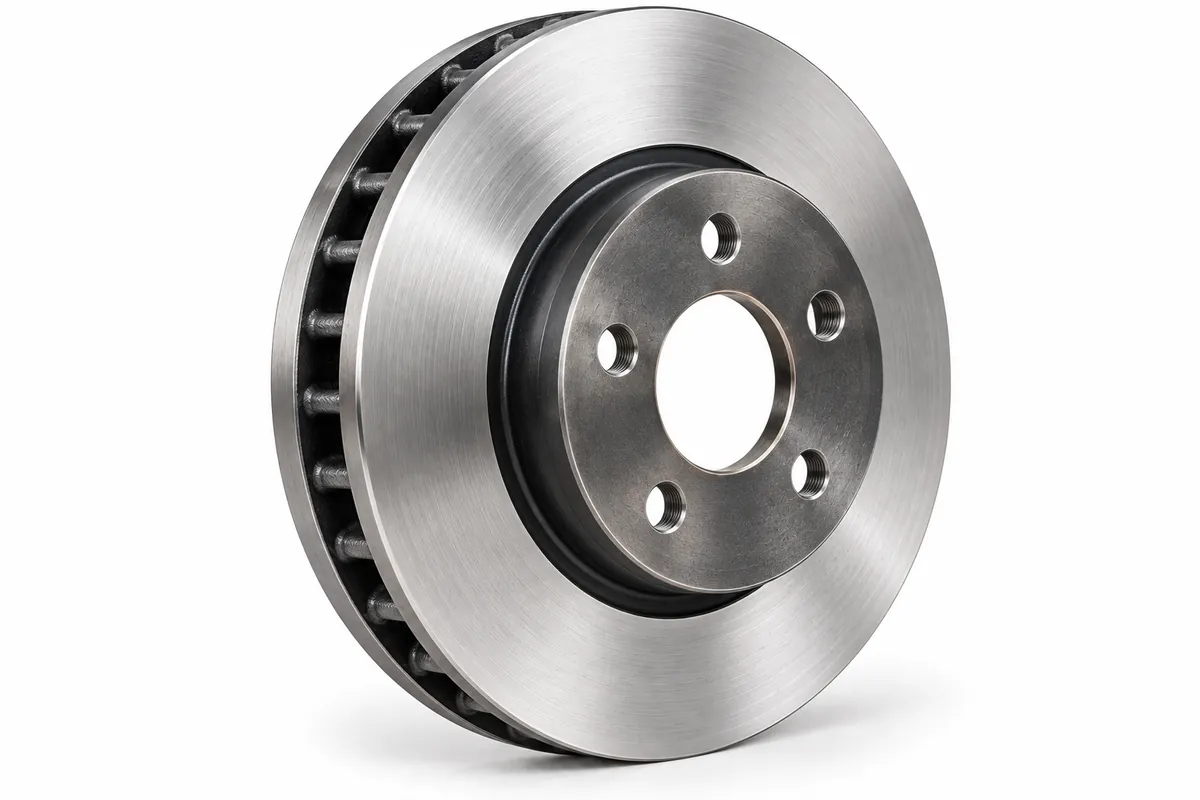
Mobile Brake Rotor Inspection in Daytona Beach
A brake rotor shouldn't be replaced simply because it has visible marks on its surface or because the brake pads are being changed.
The rotor needs to be evaluated for its actual condition.
Depending on the problem and vehicle, rotor inspection can include checking the braking surfaces, measuring rotor thickness, comparing measurements with the manufacturer's specifications, evaluating wear patterns, and inspecting the brake pads and caliper components that operate against the rotor.
Brake Rotor Thickness Measurement
Brake rotors gradually lose material through normal braking. Every applicable rotor has a minimum allowable thickness established for that brake system.
When rotor thickness needs to be evaluated, it should be measured at appropriate locations across the braking surface with a suitable measuring tool. The measurement can then be compared with the applicable specification.
A rotor that has reached or fallen below its allowable thickness should not simply receive another set of brake pads and be returned to service.
Rotor thickness also matters when determining whether a worn rotor has sufficient material remaining for whatever service procedure is being considered.
Checking for Uneven Rotor Thickness
A rotor should not only have adequate overall thickness; its braking surfaces also need to operate consistently.
Differences in rotor thickness around the disc can contribute to changes in braking force as the rotor rotates. This may be experienced as brake pedal pulsation or vibration during braking.
When a driver reports pulsation, we don't automatically assume the rotor needs replacement. The symptom needs to be evaluated because several conditions can produce vibration that feels similar from the driver's seat.
Brake Rotor Runout and Brake Pulsation
Brake pedal pulsation is commonly blamed on "warped rotors," but accurately diagnosing the problem requires looking at how the rotor is operating.
Lateral runout describes side-to-side movement of the rotor as it rotates. Excessive runout can affect the relationship between the rotor and brake pads and may contribute to uneven wear or pulsation.
Runout-related problems can also involve the mounting surfaces rather than the rotor alone.
Rust, corrosion, or debris between the rotor and wheel hub can prevent the rotor from sitting correctly against the hub. For that reason, replacing a rotor without paying attention to the mounting surface can allow a problem to remain even though a new part has been installed.
When pulsation is part of the complaint, the goal is to determine the source rather than replacing rotors based solely on the symptom.
Scored and Grooved Brake Rotors
Some visible lines on a brake rotor can develop through normal use. Deep grooves and severe scoring are different.
Rotor scoring can develop when brake pads become excessively worn, foreign material becomes trapped at the friction surface, or another brake problem damages the rotor.
We inspect the severity and location of the scoring along with rotor thickness and pad condition.
If a brake pad has worn through its friction material and metal has contacted the rotor, the resulting damage can be substantial. In those cases, replacing the pads alone may not provide a suitable braking surface.
Heat-Damaged Brake Rotors
Braking converts vehicle movement into heat, so brake rotors are designed to operate at elevated temperatures. Excessive heat, however, can damage braking components.
A dragging brake, sticking caliper, severe braking conditions, or another problem can expose a rotor to abnormal temperatures.
During inspection, we look for evidence such as:
- Significant discoloration
- Heat spots
- Surface cracking
- Abnormal friction surfaces
- Evidence of excessive brake temperature
- Related brake pad damage
When heat damage is present, it's important to determine why it occurred.
Installing another rotor without addressing a dragging caliper or another source of excessive heat can result in the replacement rotor being damaged as well.
Rust and Corrosion on Brake Rotors
Brake rotors are exposed to moisture and can develop surface rust while a vehicle is parked. A light coating of surface rust may disappear after normal braking and doesn't automatically mean the rotors require replacement.
Heavy corrosion is different.
A rotor that has been exposed to moisture for extended periods can develop substantial rust, pitting, scaling, or deterioration of the braking surface. Corrosion can also develop in areas where the brake pads aren't making proper contact.
We evaluate how severe the corrosion is and whether it has affected the usable braking surface before recommending replacement.
Cracked or Physically Damaged Brake Rotors
Visible cracks or significant physical damage require careful attention.
The rotor is subjected to repeated mechanical force and heat cycles during braking. Damage that compromises the rotor isn't something that should be corrected simply by installing new brake pads.
If we find cracking or other serious rotor damage, we evaluate the brake assembly and determine the appropriate repair before the vehicle is returned to service.
Brake Pad Inspection During Rotor Service
Brake pads operate directly against the rotors, so their condition is an important part of rotor inspection and replacement.
We look at the amount of pad material remaining as well as how the pads have worn.
Uneven inner and outer pad wear, tapered wear, glazing, contamination, or severely worn friction material can provide information about what has been happening at the rotor.
If a rotor has been damaged by a worn pad or another brake problem, simply replacing the rotor without addressing the condition of the pads would leave part of the problem unresolved.
Likewise, installing new rotors with unsuitable or damaged brake pads can compromise the new braking surfaces.
Caliper Operation and Rotor Problems
Some rotor problems originate elsewhere in the brake assembly.
The brake caliper applies the pads to the rotor and must release them correctly afterward. Depending on the design, the caliper may also need to move freely on guide pins or slides.
If a caliper remains partially applied, excessive friction can generate substantial heat. That heat can affect the pads and rotor and may lead to accelerated wear or damage.
When rotor condition suggests abnormal heat or uneven braking, we inspect the relevant caliper operation and hardware rather than treating the rotor as an isolated component.
The objective is to avoid installing a new rotor only to have the underlying problem damage it again.
Front Brake Rotor Inspection & Replacement
Front brake rotors frequently handle a substantial portion of the vehicle's braking load, although actual brake-force distribution varies by vehicle.
During a front rotor inspection, we evaluate both sides of the axle and compare the condition of the braking components.
If rotor replacement is necessary, rotors on the same axle are generally replaced as a pair so the left and right brakes have comparable friction surfaces and operating characteristics.
We also inspect the brake pads and relevant caliper components before installing the replacement rotors.
Rear Brake Rotor Inspection & Replacement
Rear disc brake rotors are inspected using the same principles as front rotors, but rear brake designs can introduce additional considerations.
Some vehicles incorporate parking-brake components into the rear rotor or rear brake assembly. Others use electronic parking brakes or specialized rear caliper designs.
The rotor must be removed and installed according to the design of that particular braking system.
When servicing rear rotors, we identify the brake and parking-brake configuration before disassembly rather than assuming every rear brake assembly works the same way.
When Do Brake Rotors Need Replacement?
Not every rotor with visible wear needs to be replaced, and there isn't one mileage interval that determines when every rotor has reached the end of its service life.
Replacement may be appropriate when inspection identifies conditions such as:
- Rotor thickness at or below the applicable limit
- Severe scoring or grooving
- Significant heat damage
- Cracking or physical damage
- Heavy corrosion or pitting affecting the braking surface
- A rotor condition contributing to brake pulsation
- Damage caused by brake pads worn beyond their usable friction material
- A braking surface unsuitable for proper operation with replacement pads
The correct decision depends on the rotor's condition and specifications, not simply its age.
Brake Rotor Replacement
Once inspection determines that replacement is necessary, the brake assembly has to be disassembled sufficiently to remove the rotor.
The exact procedure varies by vehicle, but a typical brake rotor replacement can include:
- Inspecting the existing rotor and brake pads. We evaluate the wear and look for evidence that may explain why the rotor needs replacement.
- Removing the brake components required for rotor access. The caliper and related components are handled according to the vehicle's brake design.
- Removing the worn or damaged rotor. The old rotor is separated from the wheel hub or applicable mounting assembly.
- Inspecting the rotor mounting surface. Rust, corrosion, or debris that could prevent the replacement rotor from sitting correctly is addressed as appropriate.
- Installing the replacement rotor. The new rotor is positioned correctly on the hub.
- Servicing the brake pads as required. Pad condition is considered because the pads and new rotor must operate together.
- Reassembling the brake system. Removed components are correctly installed and secured.
- Restoring and checking brake operation. Brake pedal and brake operation are verified before the vehicle is moved.
Proper installation matters because even a quality replacement rotor cannot perform correctly if the surrounding brake components or mounting conditions are unsuitable.
Brake Rotor and Hub Mounting Surface
The connection between the brake rotor and wheel hub is easy to overlook, but it can be important to proper rotor operation.
The rotor needs to sit correctly against its mounting surface. Corrosion, rust buildup, or debris trapped between the hub and rotor can interfere with that fit.
This can contribute to rotor runout even when the replacement rotor itself is new.
When replacing a rotor, we inspect the accessible mounting surface and prepare it as appropriate before installing the replacement component.
Brake Rotors and Wheel Installation
Wheel installation can also affect the brake rotor.
Wheel fasteners need to be installed and tightened appropriately for the vehicle. Improper or severely uneven tightening can place unwanted stress on the rotor and hub assembly.
For that reason, brake rotor replacement isn't complete simply because the new disc has been placed on the hub. Correct reassembly of the brake and wheel components is part of the repair.
Brake Rotors vs. Brake Discs
The terms brake rotor and brake disc generally refer to the same basic component in an automotive disc brake system.
The rotor is the circular metal disc that rotates with the wheel. When you press the brake pedal, the caliper applies the brake pads against the rotor's friction surfaces to slow the vehicle.
Whether your vehicle documentation refers to the component as a brake rotor or brake disc, we inspect its thickness, braking surfaces, wear, and condition before determining whether replacement is required.
Do Brake Pads Need to Be Replaced With the Rotors?
That depends on their condition.
Brake pads and rotors form a working friction pair, so we don't evaluate a replacement rotor without also looking at the pads operating against it.
If the pads are worn, damaged, contaminated, unevenly worn, or otherwise unsuitable for continued use, replacement may be appropriate when new rotors are installed.
If rotor damage occurred because the brake pads were driven beyond their usable friction material, both components may require replacement.
The inspection determines what the vehicle actually needs.
How Much Does Brake Rotor Replacement Cost?
Brake rotor replacement cost varies considerably between vehicles because rotor size, design, parts prices, brake configuration, and labor requirements aren't the same for every application.
Factors that can affect the cost include:
- Vehicle year, make, and model
- Front or rear rotor replacement
- Rotor size and design
- Replacement rotor quality
- Brake pad condition
- Caliper and hardware condition
- Electronic parking brake requirements
- Rear parking-brake design
- Additional brake problems found during inspection
A straightforward front rotor replacement on one vehicle can be very different from rear rotor service on a vehicle with an integrated parking-brake system.
Call Jimmy’s Mobile Care at (386) 308-2509 with your vehicle information and we'll discuss the brake rotor service your vehicle requires.
Why Inspect Brake Rotors Before Replacing Them?
Brake rotor replacement should solve an identified problem, not be an automatic response to every brake complaint.
A proper inspection helps determine:
Are the rotors actually worn beyond an acceptable condition?
We evaluate their condition and, when necessary, their measurements rather than assuming replacement based on appearance alone.
Is brake pulsation actually related to the rotors?
Pulsation and vibration should be diagnosed rather than automatically attributed to "warped rotors."
Did another brake component damage the rotor?
Caliper problems, worn pads, or restricted brake components can cause excessive heat and rotor damage.
Are the brake pads suitable for continued use?
The pads and rotors operate together, so pad condition matters when a rotor is being replaced.
Is the rotor mounting correctly against the hub?
Rust or debris at the mounting surface can affect how the rotor runs.
This inspection-first approach helps ensure that we're correcting the actual problem instead of simply replacing a visible component.
Mobile Brake Rotor Replacement in Daytona Beach
Jimmy’s Mobile Care brings brake rotor inspection and replacement directly to your Daytona Beach location.
We can inspect your brakes at your home, workplace, or another suitable location and determine whether the rotors actually require replacement. When the required repair can be performed safely on-site, we bring the tools and equipment necessary to complete the work without the traditional repair-shop visit.
Whether you're dealing with grinding brakes, damaged rotors, brake pulsation, or rotors that have reached their wear limit, the first step is determining the condition of the braking components.
Schedule Brake Rotor Inspection & Replacement in Daytona Beach
If you suspect worn or damaged brake rotors, don't guess based on noise or appearance alone.
Jimmy’s Mobile Care can inspect the rotors, brake pads, and directly related brake components to determine what's causing the problem and whether rotor replacement is necessary.
Call Jimmy’s Mobile Care at (386) 308-2509 to schedule car brake rotor inspection and replacement in Daytona Beach, FL. Call today and we'll come to your location.