
Car Brake Pad Inspection & Replacement in Daytona Beach, FL
Brake pads are one of the most important wear components in your vehicle's braking system. As the friction material wears down, braking performance can change and continued driving can eventually damage the brake rotors and other components.
Jimmy’s Mobile Care provides car brake pad inspection and replacement in Daytona Beach, FL, right at your location. We inspect the condition of the brake pads, determine how they are wearing, check the components directly related to pad operation, and replace the pads when necessary.
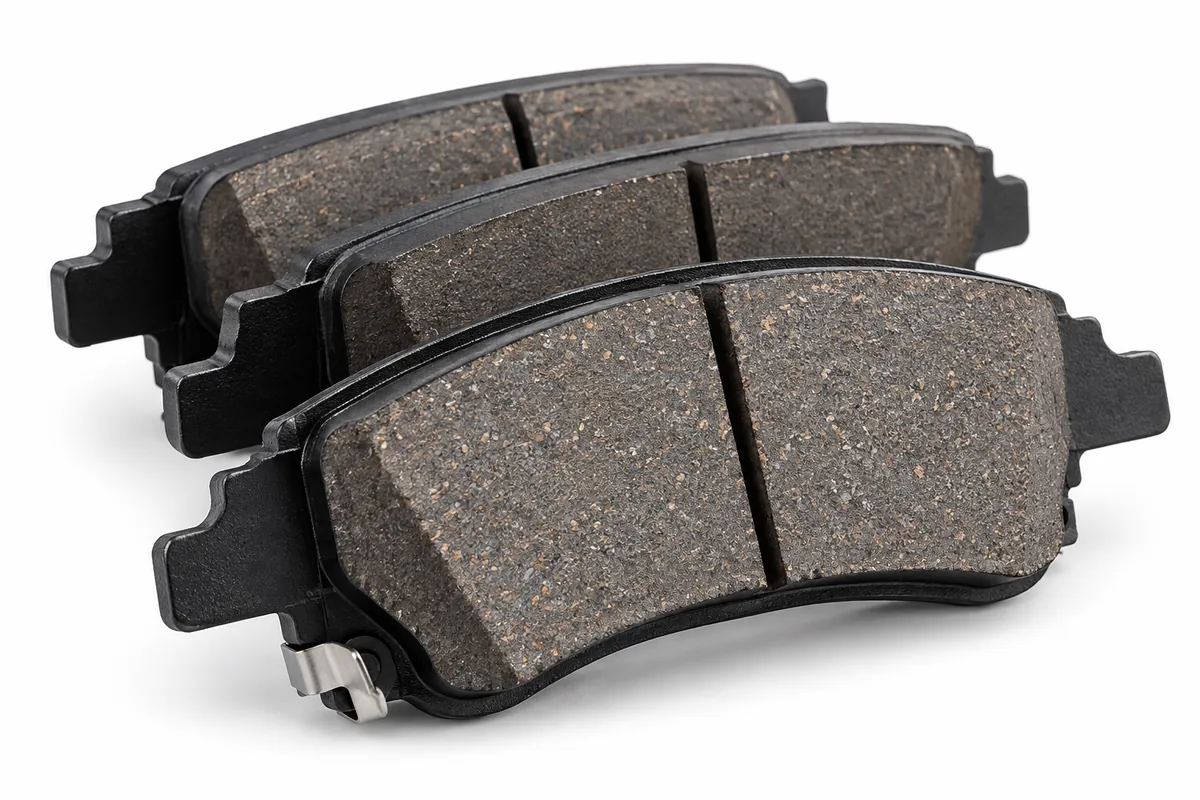
Mobile Brake Pad Inspection in Daytona Beach
A brake pad inspection should determine more than whether there appears to be some friction material left. Pads can wear differently between the front and rear of the vehicle, from one side to another, and even between the inner and outer pads on the same wheel.
We inspect the brake pads individually and evaluate their remaining friction material, condition, and wear pattern. If we find abnormal wear, we look further to determine what may be causing it before installing another set of pads.
Brake Pad Thickness Inspection
Brake pads become progressively thinner as their friction material wears against the brake rotors. Checking the amount of material remaining helps determine whether the pads can remain in service or are approaching the point where replacement is appropriate.
We don't determine brake pad condition based on mileage alone. Pad life can vary considerably depending on the vehicle, driving conditions, braking habits, vehicle weight, brake design, and friction material.
The actual condition of the pads provides better information than an estimated replacement interval.
Inner and Outer Brake Pad Wear
Each disc brake assembly uses pads on both sides of the rotor. Those pads do not always wear at exactly the same rate.
An outer pad may appear to have plenty of material remaining while the inner pad is significantly thinner. This can happen when the pads aren't moving correctly or when there is a problem with caliper operation.
We compare the inner and outer pads rather than judging the entire brake assembly from whichever pad happens to be easiest to see.
A significant difference in thickness is also useful diagnostic information because it can indicate that something besides normal brake use is contributing to the wear.
Uneven or Tapered Brake Pad Wear
We also examine how the friction material has worn across each individual pad.
A pad that is substantially thicker at one end than the other has developed tapered wear. There can also be abnormal differences between the pads on opposite sides of the vehicle.
When we find an unusual wear pattern, we don't simply discard the old pads and install new ones. The wear pattern can help identify restricted pad movement, sticking caliper slides, improper caliper operation, or another condition that needs attention.
Correcting the cause of abnormal wear helps prevent the replacement pads from developing the same problem.
Signs Your Brake Pads May Need Replacement
Brake pads can produce several warning signs as they wear, although symptoms vary by vehicle and brake design.
Have your brake pads inspected if you notice:
- Squealing or high-pitched noises when braking
- Grinding or scraping sounds
- A brake pad warning light or service message
- Reduced or changed braking performance
- Vibration or unusual feedback while braking
- One wheel producing noticeably more brake dust
- A vehicle pulling or behaving differently during braking
- Brake pads that visibly appear very thin
- Unusual brake noises that have recently developed
A noise doesn't automatically mean the brake pads need replacement. Brake noise can have several causes, so we inspect the pads and related components before determining what repair is necessary.
Grinding Brakes Need Prompt Attention
Grinding is particularly important to investigate.
If a brake pad wears far enough for its friction material to become exhausted, metal components can begin contacting the rotor. Continued driving can severely damage the rotor and compromise braking performance.
Grinding can have other causes as well, which is why the brake assembly should be inspected rather than diagnosing the problem from the sound alone.
Brake Pad Wear Indicators and Sensors
Many brake pads and vehicles have a method of warning the driver when the pads are approaching the end of their usable life.
Mechanical Brake Pad Wear Indicators
Some pads incorporate a small mechanical wear indicator. As the friction material becomes thin, the indicator can contact the brake rotor and produce a high-pitched squealing sound.
The sound is intended to alert the driver that the brakes should be inspected before the pad material is completely worn away.
Electronic Brake Pad Wear Sensors
Some vehicles use electronic brake pad wear sensors instead. When the pads reach a predetermined wear point, the system can illuminate a warning light or display a brake service message.
When the vehicle is equipped with these sensors, we inspect them as part of the brake pad service. Depending on the design and condition of the sensor, replacement may be necessary when new pads are installed.
Brake Rotor Inspection During Brake Pad Service
Brake pads and brake rotors work together every time the vehicle stops. The pads cannot be properly evaluated for replacement without considering the surface they operate against.
During brake pad service, we inspect the accessible rotor surfaces for conditions such as:
- Heavy grooves or scoring
- Abnormal rust or corrosion
- Heat damage or discoloration
- Cracks or visible damage
- Irregular braking surfaces
- Damage caused by severely worn brake pads
If rotor condition is questionable, additional measurement or service may be required.
New brake pads need an appropriate rotor surface to operate correctly. Installing pads against a badly damaged braking surface can contribute to noise, poor contact, abnormal wear, and reduced service life.
Caliper and Brake Hardware Checks
If the old pads show normal, even wear, brake pad replacement may be relatively straightforward. When the pads show abnormal wear, however, the caliper and related hardware become an important part of the inspection.
Caliper Slide Inspection
Many brake calipers move on guide pins or slides. These components need to move correctly for the caliper to apply and release the pads as intended.
Restricted or seized movement can cause one pad to remain in greater contact with the rotor than the other, resulting in uneven wear and excessive heat.
When pad wear suggests a slide problem, we inspect caliper movement rather than assuming the pads themselves caused the condition.
Caliper Piston Operation
The caliper piston applies pressure to the brake pads during braking and must release appropriately afterward.
A piston that isn't operating correctly can contribute to abnormal pad wear, brake drag, overheating, or premature wear of the replacement pads.
The old brake pads often provide useful evidence of how the caliper has been operating.
Brake Pad Hardware
Depending on the brake design, pads may use clips, shims, abutment hardware, or other components that help position the pads and allow them to move correctly.
Damaged, heavily corroded, improperly installed, or restricted hardware can interfere with pad movement. We inspect the relevant hardware during pad replacement and address it as appropriate for the application.
Contaminated, Cracked, or Glazed Brake Pads
Thickness isn't the only factor that determines whether a brake pad remains suitable for service.
Brake pad friction material can become damaged or contaminated. Excessive heat and operating conditions can also affect the friction surface.
During inspection, we look for conditions such as:
- Cracked friction material
- Severe glazing
- Contamination
- Physical damage
- Abnormal deterioration
- Uneven friction surfaces
A damaged pad may require replacement even if it still has measurable friction material remaining.
Front Brake Pad Inspection & Replacement
Front brakes often perform a substantial portion of the braking work, although brake-force distribution and pad wear vary by vehicle.
When inspecting the front brakes, we compare the brake pads on both sides of the vehicle and examine the inner and outer pads where accessible. If replacement is necessary, brake pads on the same axle are normally replaced as a set rather than replacing an individual worn pad.
Before installing the replacement pads, we check the rotor condition, pad hardware, and caliper movement relevant to the job.
Rear Brake Pad Inspection & Replacement
Rear brake pads require the same careful evaluation as front pads, but the rear braking system may incorporate additional components or procedures.
Some vehicles integrate the parking brake into the rear calipers. Others use an electronic parking brake that requires a specific service procedure before the rear caliper pistons can be retracted.
The correct procedure matters. A rear caliper shouldn't simply be forced backward without first determining how that particular brake system is designed to operate.
We identify the appropriate procedure for the vehicle before performing rear brake pad replacement.
Our Brake Pad Replacement Process
Once inspection confirms that the brake pads should be replaced, we service them according to the vehicle's brake design.
A typical brake pad replacement includes:
- Inspecting the existing pads. We check remaining material and examine the old pads for abnormal wear.
- Checking the rotors. The braking surface is inspected for damage or conditions that could affect the replacement pads.
- Inspecting pad and caliper movement. Where appropriate, we check slides, hardware, and other components that can contribute to uneven wear.
- Retracting the caliper piston correctly. The procedure depends on the brake and parking-brake design.
- Installing the replacement pads. The correct pads and applicable hardware are fitted to the brake assembly.
- Reassembling the brakes. Components removed for service are properly reinstalled.
- Restoring the brake pedal. Proper pedal operation is established before the vehicle is moved.
- Checking brake operation. The completed repair is checked for proper operation before the vehicle is returned to service.
The exact procedure varies by vehicle, but the objective remains the same: replace the worn pads correctly and identify problems that could affect the new pads.
Ceramic Brake Pads
Ceramic brake pads are available for many passenger vehicles and can be a good choice when they are appropriate for the application.
They are commonly selected for characteristics such as relatively quiet operation and reduced visible brake dust. However, ceramic pads aren't automatically the best option for every vehicle or every type of driving.
Different vehicles may use ceramic, semi-metallic, or other friction-material formulations based on the braking system and intended operating characteristics.
When replacing brake pads, the priority is choosing a quality pad that is appropriate for the vehicle and braking application rather than selecting a friction material simply because of its name.
How Much Does Brake Pad Replacement Cost?
There isn't one brake pad replacement price that applies to every vehicle.
The cost depends on factors such as:
- Vehicle year, make, and model
- Front or rear brake pad replacement
- Type and quality of replacement pads
- Brake pad wear sensors
- Electronic parking brake requirements
- Brake rotor condition
- Caliper and hardware condition
- Additional problems discovered during inspection
A vehicle that only needs a straightforward set of pads is different from one with damaged rotors, seized brake components, or an electronic rear brake system requiring additional procedures.
Call (386) 308-2509 with your vehicle information, and Jimmy’s Mobile Care can discuss the brake pad service needed for your specific vehicle.
Why Inspect Brake Pads Before Replacing Them?
Our approach is to determine what the vehicle actually needs before replacing parts.
A proper inspection helps answer several important questions.
Are the Brake Pads Actually Worn?
We check the remaining friction material and condition of the pads instead of replacing them based only on mileage or an assumption.
Are the Pads Wearing Normally?
Comparing inner and outer pads and checking wear patterns can reveal problems that aren't apparent from a quick inspection through the wheel.
Is Something Causing Premature Pad Wear?
If a set of brake pads has worn unevenly, installing another set without investigating the cause can allow the same problem to happen again.
Are the Rotors Suitable for the New Pads?
Because every brake application brings the pads into contact with the rotors, rotor condition directly affects brake pad operation.
Does the Vehicle Require Special Brake Service Procedures?
Electronic parking brakes, wear sensors, and different caliper designs can change the correct replacement procedure.
Inspection gives us the information needed to make those determinations before completing the repair.
Mobile Brake Pad Replacement in Daytona Beach
Jimmy’s Mobile Care brings brake pad service directly to your Daytona Beach location.
Instead of taking your vehicle to a repair shop and waiting for an inspection, our mobile mechanic comes to your home, workplace, or another suitable location to inspect the brakes and perform eligible repairs on-site.
Mobile brake pad service is especially convenient when you already suspect the pads are worn but don't want to continue driving the vehicle unnecessarily.
Schedule Brake Pad Inspection & Replacement in Daytona Beach
If your brakes are squealing, grinding, displaying a brake pad warning, or you simply want to know how much friction material remains, Jimmy’s Mobile Care can inspect them at your location.
We'll determine the condition of the pads, look for abnormal wear, inspect the related components necessary to evaluate the brake pad job, and explain what needs attention before replacing parts.
Call Jimmy’s Mobile Care at (386) 308-2509 to schedule car brake pad inspection and replacement in Daytona Beach, FL.